Concussions
What is a concussion?
A concussion occurs when a direct or indirect impact to the head causes the brain to move rapidly inside the skull. This movement can result in a brain injury or temporary disruption of normal brain function. The impact may come from a direct blow to the head or from a force applied to the neck, face, or another part of the body that transmits an impulsive force to the brain.
What are the signs and symptoms of a concussion?
- Headache
- Dizziness
- Difficulty concentrating
- Confusion
- Vision problems
- Sensitivity to light or noise
- Fatigue
- Nausea
- Vomiting
- Memory problems
- Loss of consciousness
- Anxiety
- Irritability

What are the consequences of a concussion?
A concussion can affect several areas of functioning, including:
- Vestibular system (balance and dizziness)
- Visual system (vision and eye movements)
- Cognitive functions (attention, memory, concentration)
- Fatigue
- Post-traumatic headaches and migraines
- Cervical spine (neck region)
- Mood and anxiety
These impairments can interfere with:
- Activities of daily living
- Return to physical activity and sports
- Return to cognitive activities such as school and work
Early identification of a concussion is essential to:
- Ensure appropriate management from the outset
- Prevent a premature return to activities
- Reduce the risk of subsequent concussions
- Minimize the likelihood of persistent post-concussion symptoms
How Is a Concussion Managed?
A prompt evaluation by a qualified healthcare professional is essential to optimize recovery.
Following a Suspected Concussion
- Relative rest for 24 to 48 hours (up to 72 hours in some cases)
- Reduced physical, cognitive, and social activities
- Monitoring for signs that may indicate a more serious injury
After the Initial Rest Period
- Gradual and supervised return to physical and cognitive activities
If Symptoms Persist Beyond 7 to 10 Days
- Implementation of an individualized rehabilitation program
- Prescribed cardiovascular exercise
- Visual and vestibular rehabilitation
- Treatment of cervical impairments
A multidisciplinary, evidence-based approach promotes a safe return to school, work, and sport.
About CCMI
CCMI enables multidisciplinary teams to provide standardized concussion care through evidence-based training programs and integrated healthcare technologies. CCMI is committed to improving the collective understanding of concussion prevention, management, and prognosis while delivering accessible, patient-centered care based on the latest scientific and medical research.

What to Expect During Treatment
As part of the CCMI program, concussion management in physiotherapy begins with a comprehensive initial assessment lasting approximately 90 minutes, followed by 45- to 60-minute follow-up appointments depending on the complexity of the condition.
Before Your First Appointment
- Register on the CCMI platform
- Provide your personal CCMI identification number to your accredited healthcare professional
- Download the Concussion Tracker app (recommended) to monitor symptoms and recovery progress
Initial Assessment
- Comprehensive review of symptoms and functional abilities
- Screening for red flags
- Neurological examination (myotomes, dermatomes, reflexes)
- Cranial nerve assessment
- Balance and proprioception testing
- Visual (VOMS), vestibular, and cervical assessments
At the End of the First Appointment:
- Explain your personalized treatment plan
- Provide a customized exercise program
- Offer recommendations regarding:
- Sleep hygiene
- Breathing strategies
- Recovery and energy management
- Gradual return to daily activities, school, work, sports, and leisure activities
During follow-up visits, your physiotherapist will:
- Monitor your progress using objective tools such as the Buffalo Concussion Treadmill Test, DANA, and various balance and functional assessments
- Adjust your treatment plan according to your progress and goals
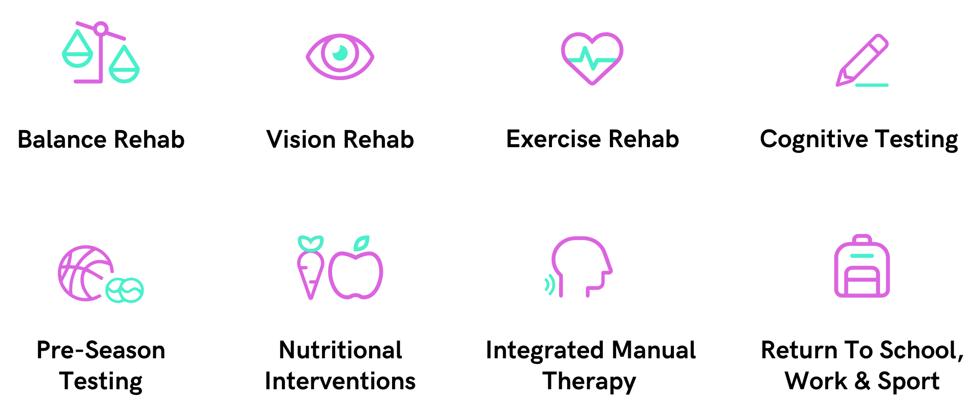
The CCMI physiotherapy approach is based on evidence-informed interventions , including:
- Early and individualized cardiovascular exercise
- Visual rehabilitation
- Vestibular rehabilitation
- Balance retraining
- Treatment of cervical spine dysfunction and whiplash-associated disorders
- Integrated manual therapy
- Exertion rehabilitation
- Patient education
- Guidance for a safe return to school, work, and sport
- Pre-season baseline assessments and educational resources
Pre-Season Assessment (Baseline Testing)
Our clinic offers a Pre-Season Assessment, also known as Baseline Testing, as part of the CCMI approach. This multimodal evaluation consists of a series of physical and cognitive tests designed to establish a detailed profile of an individual's healthy brain function. Specifically, we assess balance, reaction time, memory, visual tracking speed, and several other neurological functions to create a personalized baseline for each patient.
In the event of a concussion, these baseline results can be compared to the patient's post-injury performance. This comparison helps identify specific deficits, measure their severity, and guide treatment more accurately. It also provides valuable information when determining the appropriate and safe timing for a return to sport, school, or work.
The CCMI protocol incorporates evidence-based assessment tools to provide a comprehensive evaluation of brain function. This service is designed to enhance concussion prevention, improve clinical management, and support the safety of active individuals.
Concussion Tracker App
The Concussion Tracker application is designed to support safer return-to-play decision-making, particularly in young athletes, and to optimize the overall management of concussions. It allows real-time collection and sharing of a patient’s concussion status, while facilitating communication with healthcare professionals through regular symptom tracking and clinical assessments.
Concussion Tracker also allows users to:
- Perform neurocognitive assessments and compare them to baseline data
- Report and monitor concussions
- Conduct sideline assessments
- Ensure smooth communication between patients and healthcare professionals
- Track the athlete’s recovery progress and status
- Digitize and share medical documents
- Monitor daily symptoms to evaluate recovery progression
- Access and store pre-season (baseline) test results
For more information, visit : https://completeconcussions.com/

"We offer a personalized approach to help individuals achieve their health goals in prevention, rehabilitation, and performance."